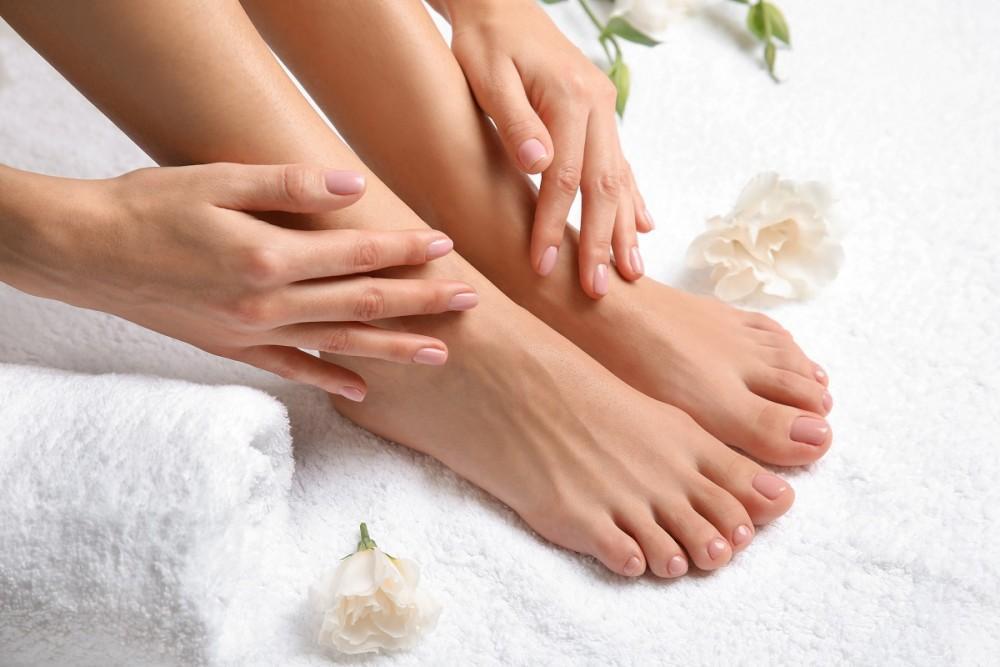
Our feet. They carry us through life, yet often receive the least attention. Hidden in socks and shoes, they toil tirelessly until discomfort—aches, calluses, or dry cracks—forces us to notice. Proper foot care is not a luxury; it’s a fundamental act of self-care that supports your mobility, comfort, and overall health. Let’s explore the simple steps to transform your feet from forgotten to fabulous.
The Soaking Start: More Than Just Relaxation
A warm foot bath is the perfect gateway to foot care. Its benefits are profound:
- Muscle Relief: It soothes aching muscles and joints after a long day, easing tension.
- Improved Circulation: Warm water promotes blood flow, which can reduce swelling and refresh tired feet.
- Deep Cleansing: It softens skin and nails, preparing them for further care, and washes away impurities.
- Mental Unwind: It’s a moment of pure relaxation, signaling your body to decompress.
How to do it: Fill a basin with warm (not hot) water. Add a handful of Epsom salts for extra muscle relief or a few drops of essential oil like peppermint for invigoration. Soak for 10-15 minutes. Pat feet completely dry, especially between the toes.
Sloughing Away: The Why and How of Exfoliation
The skin on our feet thickens to protect itself, forming calluses and dry patches. Without removal, this layer can crack, become painful, and trap bacteria. Regular exfoliation is crucial. It removes dead cells, prevents buildup, promotes smoother skin, and allows moisturizers to penetrate deeply.
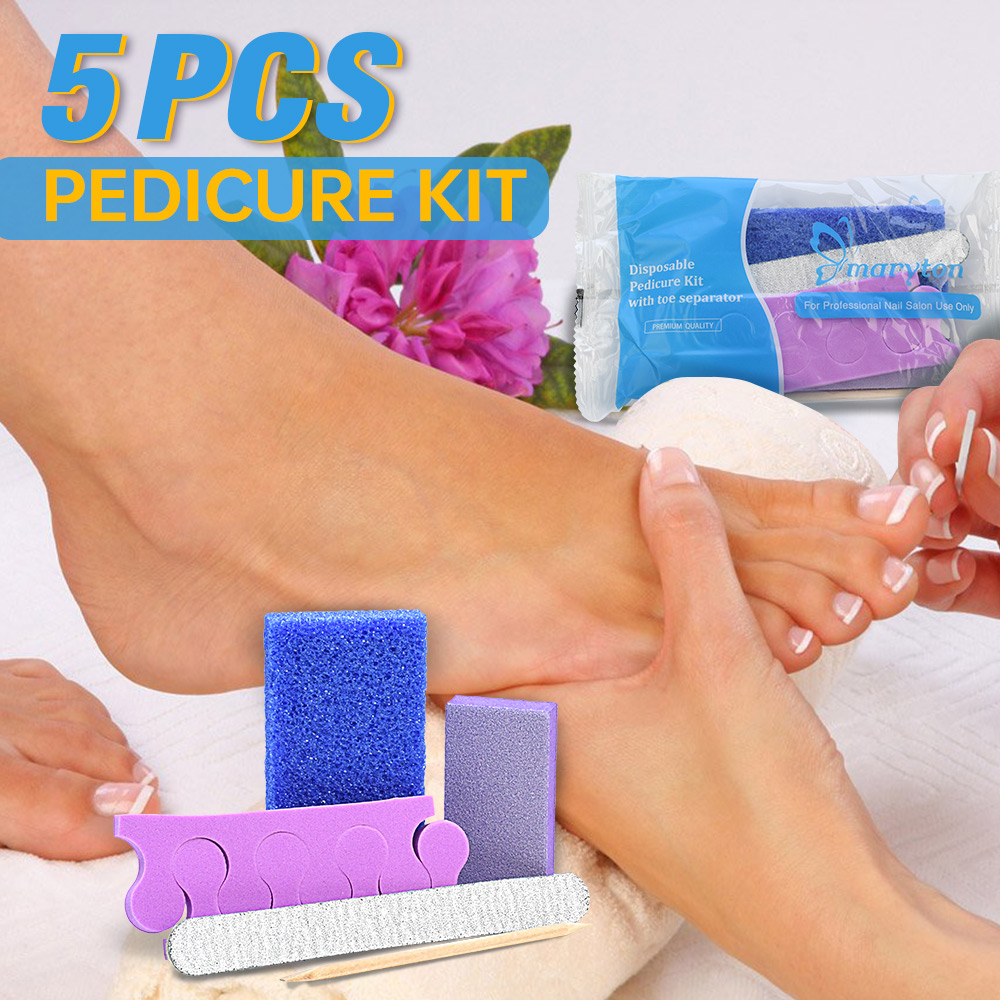
The Right Way to Exfoliate:
1. Always soak first to soften the skin.
2. Use a gentle tool: A pumice stone or a foot file is ideal. Avoid razors or sharp blades, as they risk injury and can cause skin to grow back thicker.
3. Use gentle, circular motions: Focus on heels, balls of the feet, and sides. Don’t be aggressive—the goal is to smooth, not to remove large sections of skin.
4. Rinse and dry thoroughly.
5. Frequency: Once a week is sufficient for most people.
The Moisture Must: Locking in Hydration
After exfoliation, your feet are primed to absorb moisture. Hydration is non-negotiable. Daily wear, environmental factors, and lack of natural oil glands on the soles make feet prone to severe dryness and cracks, which can be painful gateways for infection.
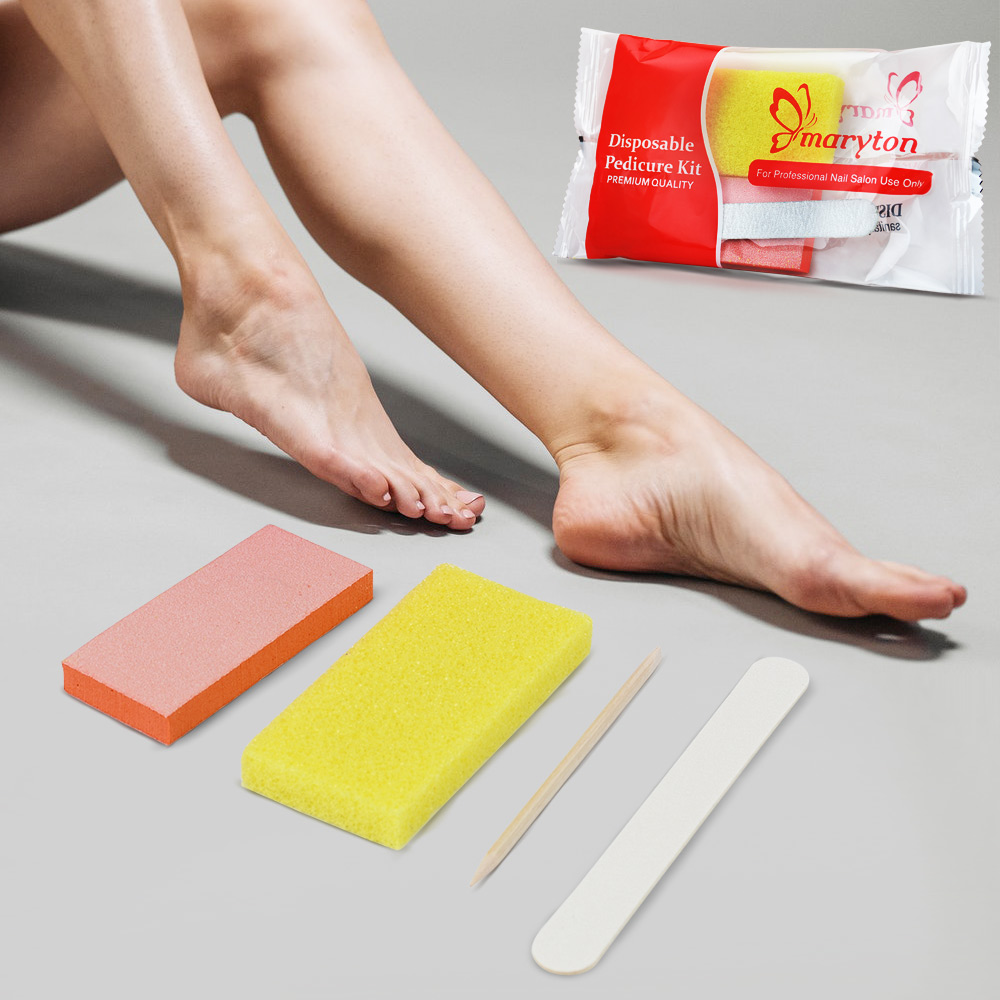
How to Hydrate Effectively:
- Apply a dedicated foot cream or a thick, fragrance-free moisturizer (look for urea, shea butter, or glycerin) right after bathing or exfoliating, when skin is slightly damp.
- Massage it thoroughly over the entire foot, focusing on dry areas.
- For intense overnight treatment, apply a generous layer, wear a pair of cotton socks, and let the moisturizer work its magic while you sleep. You’ll wake up to noticeably softer feet.
Your Daily Foot Spa Kit: Essential Tips
Incorporate these habits into your routine for consistently healthy feet:
- Daily Dry & Check: Dry between your toes meticulously to prevent fungal growth. Take a moment to inspect for any cuts, blisters, discoloration, or changes in nails.
- Nail Care: Trim toenails straight across, not rounded at the corners, to prevent ingrown nails. File any sharp edges.
- Shoe Smarts: Wear well-fitting, supportive shoes. Alternate footwear daily to let shoes air out. Choose moisture-wicking socks (cotton or wool blends).
- Go Barefoot (Safely): Allow your feet to breathe at home, but always wear protective sandals in public pools or locker rooms.
- Listen to Your Feet: Persistent pain, signs of infection (redness, heat, swelling), or issues like athlete’s foot that don’t improve with home care warrant a visit to a doctor or podiatrist.
Your feet are your foundation. A few minutes of mindful care each week can prevent discomfort, boost your confidence in open footwear, and honor the hard work these incredible structures do every single day. Start tonight with a simple soak. Your feet—and your future self—will thank you for it.
Read also: Winter nail care tips and art ideas