An ingrown nail happens when the edge of your nail grows into the surrounding skin instead of straight out. It’s painful, often red and swollen, and can become infected if ignored. The good news? Most ingrown toenails are completely preventable with a few easy habits.
Trim Your Nails the Right Way
The most common cause of ingrown nails is improper trimming.
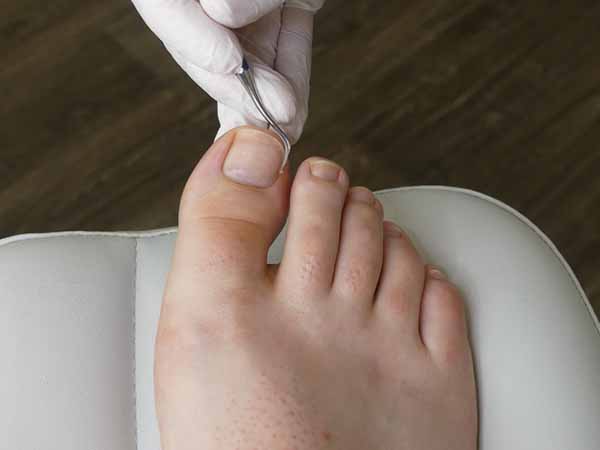
Always cut your toenails straight across. Never round the corners. A straight edge ensures the nail grows forward, not into the skin on the sides. Leave a tiny amount of white at the tip—about 1–2 millimeters. Cutting too short invites the skin to fold over the nail edge, increasing the risk of ingrowth.
Use sharp, clean nail clippers designed for toenails (they’re stronger than fingernail clippers). Dull clippers crush the nail, creating rough edges that can dig into skin.
Choose Shoes That Fit
Tight, narrow, or pointed shoes squeeze your toes together, pushing the nail edge into the skin. Over time, this constant pressure forces the nail to grow abnormally.
Wear shoes with a wide toe box—enough room for your toes to wiggle freely. Avoid high heels that cram your toes forward. If you wear work boots or athletic shoes, make sure they’re properly sized (measure your feet at the end of the day when they’re slightly swollen).
Rotate your shoes so they dry completely between wears. Damp, sweaty shoes soften the skin and nail, making ingrowth more likely.
Keep Your Feet Clean and Dry
Moist, warm environments soften the nail and skin, allowing the nail edge to penetrate more easily. Wash your feet daily with mild soap, and dry thoroughly—especially between the toes.
Change socks every day (or more often if your feet sweat heavily). Choose moisture‑wicking materials like merino wool or bamboo instead of 100% cotton.
Protect Your Toes from Injury
Stubbing your toe, dropping something on it, or even repetitive pressure from running or kicking can damage the nail matrix (the growth center). A damaged nail may grow abnormally and become ingrown.
Wear protective footwear when doing yard work, moving furniture, or playing sports. If you’re a runner, make sure your shoes have a roomy toe box to prevent “black toenail” and repetitive trauma.
What If You Have Naturally Curved Nails?
Some people inherit nails that curve downward at the edges. If that’s you, you’re more prone to ingrown nails even with perfect trimming. In that case:
- File the sharp corners gently with a fine nail file to smooth them.
- Consider a preventive visit to a podiatrist for a minor procedure that permanently prevents recurrence.
When to See a Doctor
If you already have redness, swelling, or pain, start warm soaks (15 minutes, 2–3 times a day) and gently lift the nail edge with a piece of clean cotton. Do not dig or cut the nail yourself—that often makes things worse.
See a doctor if:
- The area becomes very red, hot, or drains pus (signs of infection)
- You have diabetes, poor circulation, or a weakened immune system
- Home care doesn’t improve symptoms within a few days
The Bottom Line
Ingrown nails are painful but almost always preventable. Trim straight across, wear roomy shoes, keep feet clean and dry, and protect your toes from injury. These small habits take seconds each day and save you weeks of discomfort.
Your feet carry you everywhere. Treat them with the care they deserve.